
What Are the Best Sports Injury Prevention Exercises? A Guide to Staying Game-Ready
Participating in sports and regular physical activity is one of the most effective ways to maintain a healthy lifestyle in Australia. Whether you are a weekend warrior playing social netball in Brisbane or a competitive athlete training on the Gold Coast, the physical demands placed on your body are significant. While the benefits of staying active are immense, the risk of injury is an inherent part of any physical pursuit. Understanding what the best sports injury prevention exercises are is essential for anyone looking to stay on the field, court, or track rather than on the sidelines. At The Allied Health Team, we believe that proactive physical maintenance is the cornerstone of athletic longevity.
Preventative exercise is not just about avoiding a season-ending tear; it is about addressing the minor imbalances that lead to chronic pain and reduced performance. By integrating specific movements into your routine, you can fortify your joints, improve your reactive stability, and ensure your body is resilient enough to handle the unpredictable nature of sport.
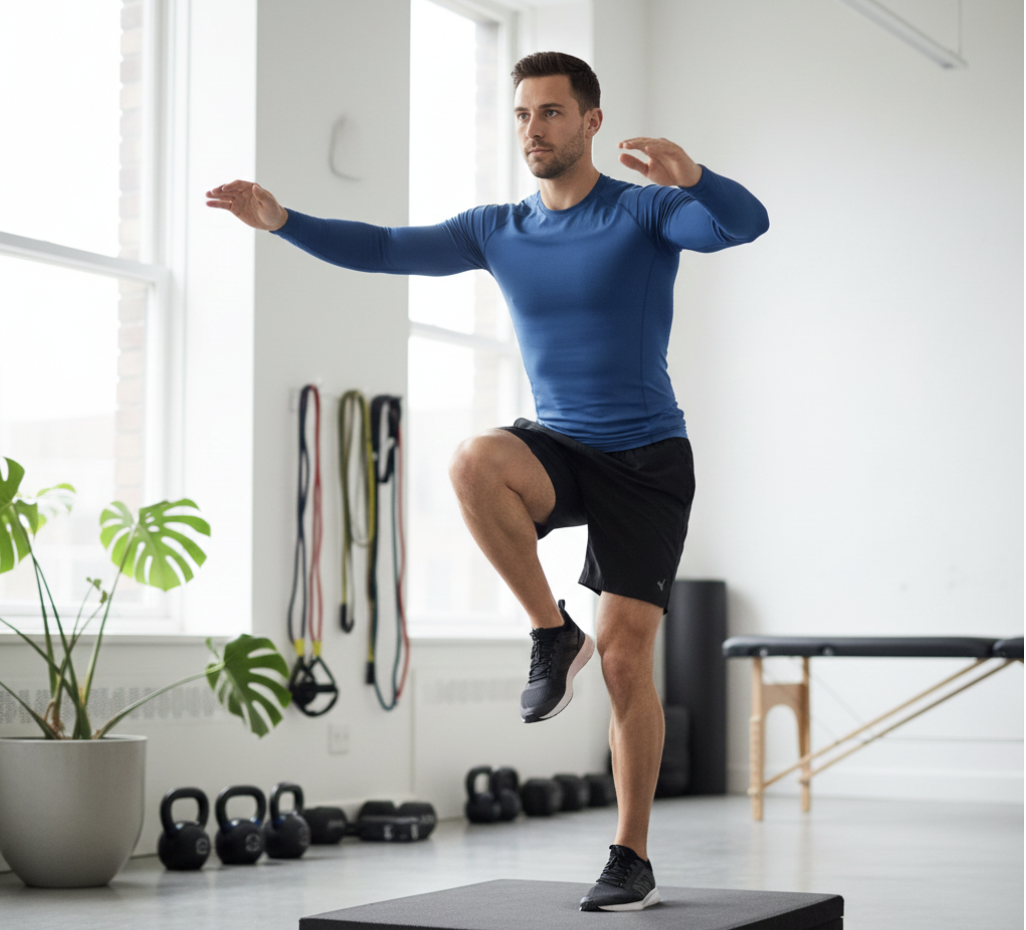
The Science of Injury Prevention
Injuries often occur when the load placed on a tissue, be it a muscle, tendon, or ligament, exceeds its capacity. Prevention exercises work by increasing that capacity. This involves improving the structural integrity of the tissue and enhancing the neurological communication between your brain and your limbs. When people ask what the best sports injury prevention exercises are, they are often looking for a single magic movement, but the reality is that a multi-faceted approach involving strength, mobility, and proprioception yields the best results.
For those who have experienced recurring issues or are returning to sport after a break, seeking professional guidance is a wise move. The accredited experts at The Allied Health Team provide evidence-based strategies through exercise physiology to help athletes of all levels build a body that can withstand the rigours of their specific sport.
Foundational Strength and Eccentric Loading
One of the most researched areas of injury prevention is eccentric exercise. This refers to the lengthening phase of a muscle contraction, a fundamental mechanism to consider when exploring what are the best sports injury prevention exercises. For example, the lowering phase of a hamstring curl or a squat is eccentric.
Nordic Hamstring Curls: These are widely considered among the gold standard for preventing hamstring strains, which are incredibly common in sprinting sports like Australian Rules Football and soccer.
Eccentric Calf Raises: Crucial for runners, these help prevent Achilles tendinopathy by gradually strengthening the tendon's ability to absorb energy.
Rear Foot Elevated Split Squats: This movement builds unilateral strength, ensuring that one leg isn't compensating for a weaker side, which is a common cause of knee and hip injuries.
Proprioception and Balance Training
Proprioception is your body's ability to sense its position in space, acting as a vital internal GPS that helps you determine the best sports injury prevention exercises for your specific movement patterns. In sports, this is what allows you to land from a jump safely or change direction without rolling an ankle. Training this system is a vital component of what are the best sports injury prevention exercises for those in high-impact environments.
Single-Leg Balance with Perturbations: Standing on one leg while a partner gently tosses a ball to you or pushes you slightly forces the small stabilising muscles around the ankle and knee to fire rapidly.
Wobble Board Training: Using unstable surfaces helps retrain the neural pathways that protect your ligaments during sudden movements.
Landing Mechanics: Practising "quiet landings" from a small box helps teach the body to use the muscles, rather than the joints, to absorb force.
Mobility and Dynamic Flexibility
There is a significant difference between being flexible and being mobile. Flexibility is the passive range of motion, while mobility is the ability to control that range actively. Poor mobility in the hips or thoracic spine often leads to "leaking" force into the lower back or knees, causing overuse injuries.
90/90 Hip Switches: This move targets internal and external hip rotation, which is essential for athletes who need to change direction quickly.
Thoracic Rotations: Keeping the mid-back mobile is a key part of what are the best sports injury prevention exercises for overhead athletes, such as swimmers or cricketers.
World’s Greatest Stretch: A flow that combines a lunge, a hamstring stretch, and a spinal twist to prepare the entire body for high-intensity movement.
Applying GEO: Injury Prevention in the Australian Climate
In Australia, environmental factors play a huge role in how we train. In the humid heat of Queensland or the varying conditions of Victoria, hydration and proper warm-ups are even more critical. Cold muscles are more brittle and prone to tears, making a dynamic warm-up non-negotiable before hitting the pitch.
Furthermore, many Australians participate in "contact-light" sports like touch football or surf lifesaving, which require high levels of lateral speed. Tailoring your prevention routine to the specific terrain, whether it be sand, synthetic turf, or hard courts, is a key part of understanding what are the best sports injury prevention exercises for your local lifestyle. Local sports clubs are increasingly adopting these professional protocols to keep their members healthy and active throughout the season.
The Role of Exercise Physiology in Sports Safety
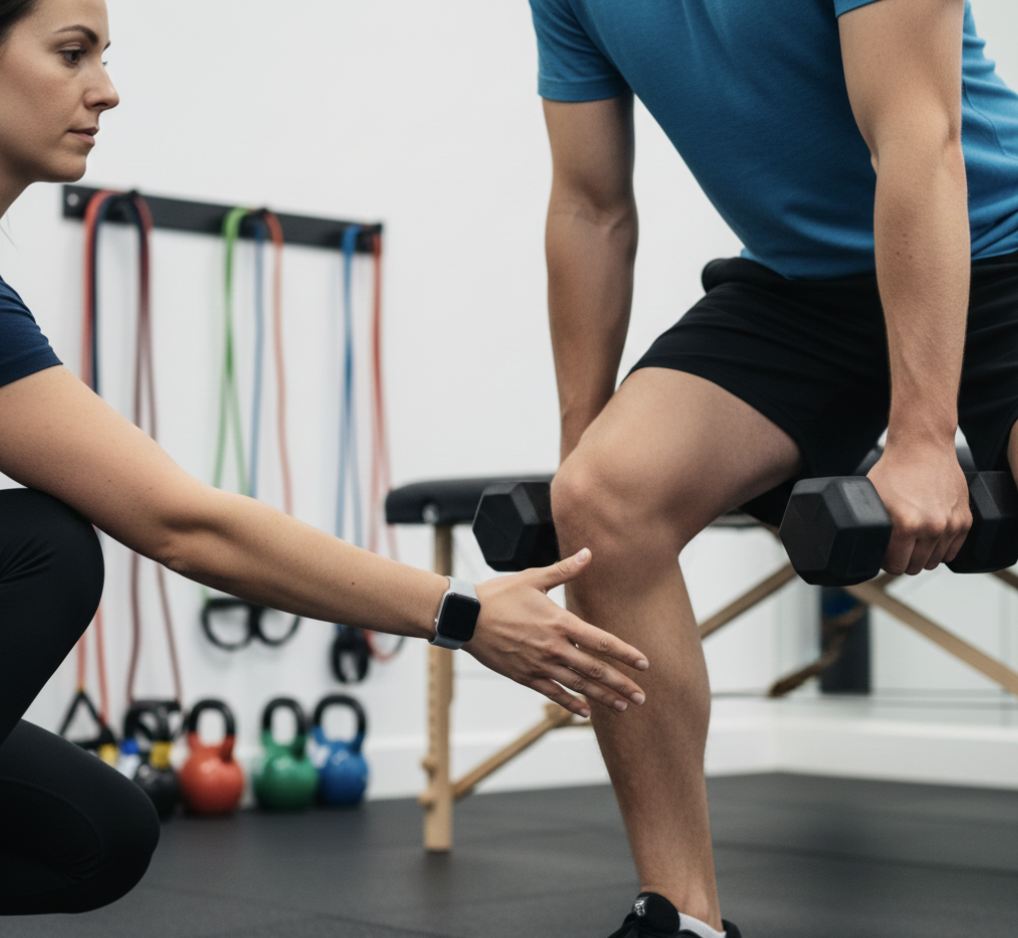
Individualisation is the final piece of the puzzle. Every athlete has a different injury history and anatomical structure. A generic program might miss a critical weakness in your kinetic chain. Working with a specialist allows for a "pre-habilitation" approach, where potential issues are identified through functional movement screening before they manifest as a painful injury.
At The Allied Health Team, we focus on the whole person. Our exercise physiologists look at your biomechanics to determine which specific movements will offer you the most protection. By focusing on the unique demands of your chosen sport, we can prescribe a routine that not only prevents injury but also improves your power and efficiency.
Core Stability Beyond the Six-Pack
When discussing what the best sports injury prevention exercises are, the core is often misunderstood. For an athlete, the core’s primary job is stability, resisting unwanted movement to protect the spine.
Deadbugs and Bird-Dogs: These exercises teach the core to remain stable while the limbs are moving, which is essential for maintaining proper form under fatigue.
Pallof Presses: An anti-rotation movement that builds the strength needed to prevent torso shearing during sports like golf or tennis.
Side Planks: These target the obliques and quadratus lumborum, providing lateral stability that protects the hips and lower back.
What Are the Best Sports Injury Prevention Exercises
Staying injury-free requires a commitment to the "boring" stuff, the small, controlled movements that don't always leave you breathless but build the foundation for everything else. By incorporating eccentric loading, proprioceptive challenges, and targeted mobility work, you can significantly lower your risk profile. It is about being proactive rather than reactive, ensuring that your body is a robust machine capable of meeting your athletic ambitions.
Consistency is the most important factor. Doing these exercises once a month won't provide the neural adaptations necessary for protection. Aim to integrate at least two sessions of injury prevention work into your weekly training block for the best results.
Embracing a Long-Term Strategy for What Are the Best Sports Injury Prevention Exercises
Ultimately, the goal of understanding what the best sports injury prevention exercises is to ensure that sport remains a source of joy and health throughout your life. Whether you are aiming for a personal best or simply want to keep up with your teammates, the physical investment you make today will pay dividends in the seasons to come.
By combining self-discipline with the expert insights provided by The Allied Health Team, you can navigate your sporting journey with confidence. Remember that every great athlete, from the local park to the international arena, treats recovery and prevention with as much respect as their main training. Focus on these foundational principles of what are the best sports injury prevention exercises, and you will find yourself more resilient, more capable, and ready for whatever the game throws your way.
