
How Does Exercise Aid Injury Recovery?
Recovering from an injury can be a slow and frustrating process, especially when pain, stiffness, or limited mobility affects your daily routine. Whether the injury is related to sport, work, or an unexpected accident, movement plays a crucial role in restoring strength and function. Exercise-based rehabilitation offers a safe and structured approach to healing, helping the body rebuild without aggravating the injury. With the guidance of experienced health professionals, individuals can return to their normal activities with confidence. The Allied Health Team supports people through personalised recovery programs designed to restore movement, reduce discomfort, and rebuild function at a manageable pace.
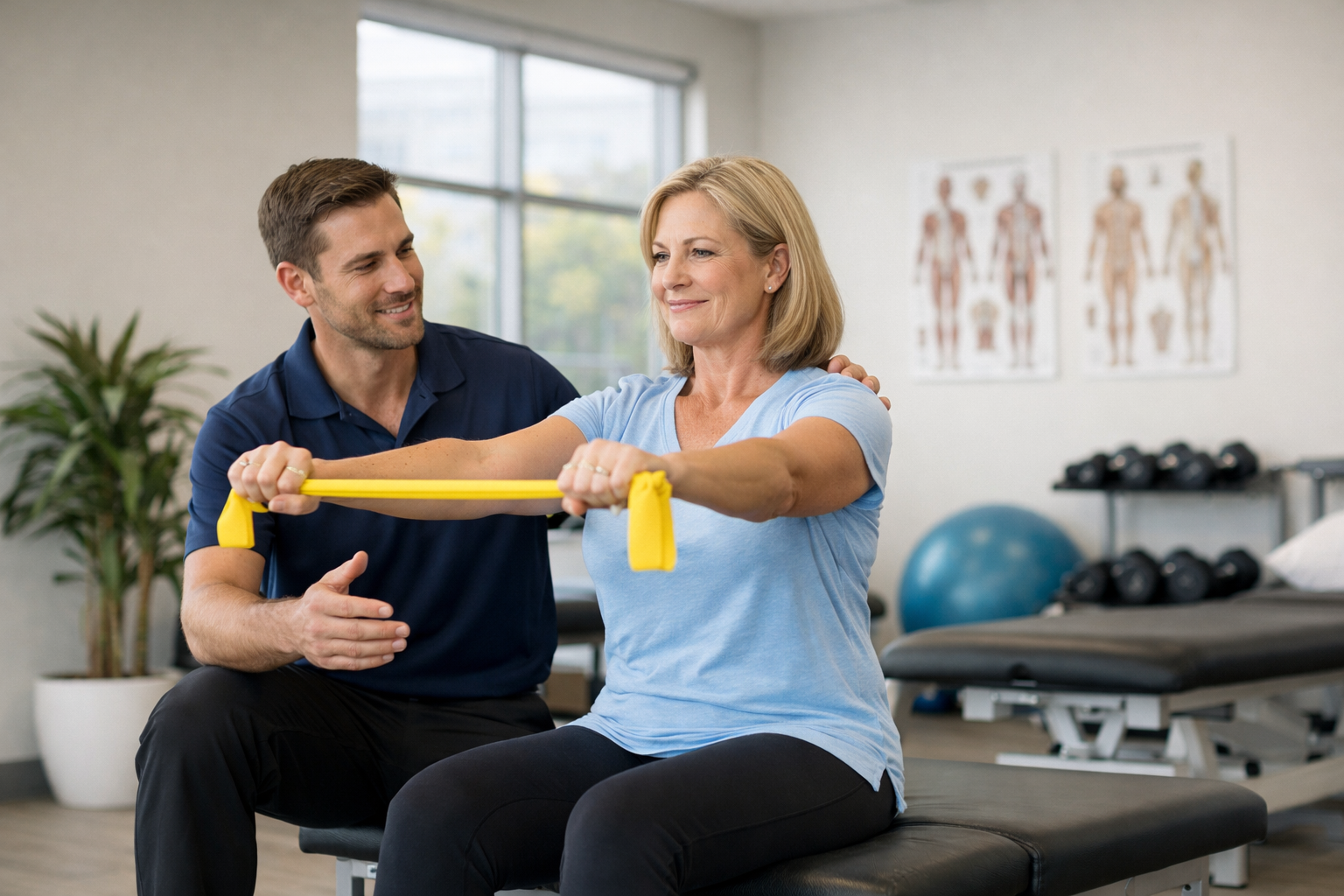
Understanding the Role of Exercise in Healing
Injury recovery involves several phases, including inflammation, tissue repair, and remodelling. Exercise assists each stage in unique ways. When performed correctly, targeted movement increases blood flow to the injured area, delivering essential nutrients that promote tissue healing. It also prevents unnecessary stiffness that often develops when a joint or muscle remains inactive for too long.
Exercise is not just about movement; it is about controlled, purposeful movement that encourages healing rather than hindering it. This is why professional guidance is essential to ensure exercises are appropriate for the specific injury and healing stage.
Rebuilding Strength and Stability
One of the biggest challenges following an injury is muscle weakness. When an area of the body is painful, people often avoid using it, leading to muscle loss and reduced joint support. Exercise plays a key role in rebuilding this strength gradually.
Strengthening programs commonly include:
Low-load resistance exercises
Gentle bodyweight movements
Progressive strengthening routines
Targeted exercises for stabilising muscles
These movements ensure that the injured area regains the strength needed to support everyday activities such as walking, bending, lifting, and reaching. As strength improves, individuals experience greater stability, reduced pain, and more confidence in their movement.
Improving Range of Motion and Flexibility
After an injury, joints and muscles often become tight or restricted. Without proper intervention, this limited mobility can persist long after the injury has healed, affecting posture, balance, and overall movement patterns.
Exercise helps restore mobility by:
Gently stretching tight muscles
Encouraging joint movement through a comfortable range
Preventing the formation of excessive scar tissue
Improving flexibility over time
Restoring movement is essential not only for everyday comfort but also for preventing compensation patterns that may lead to future injury.
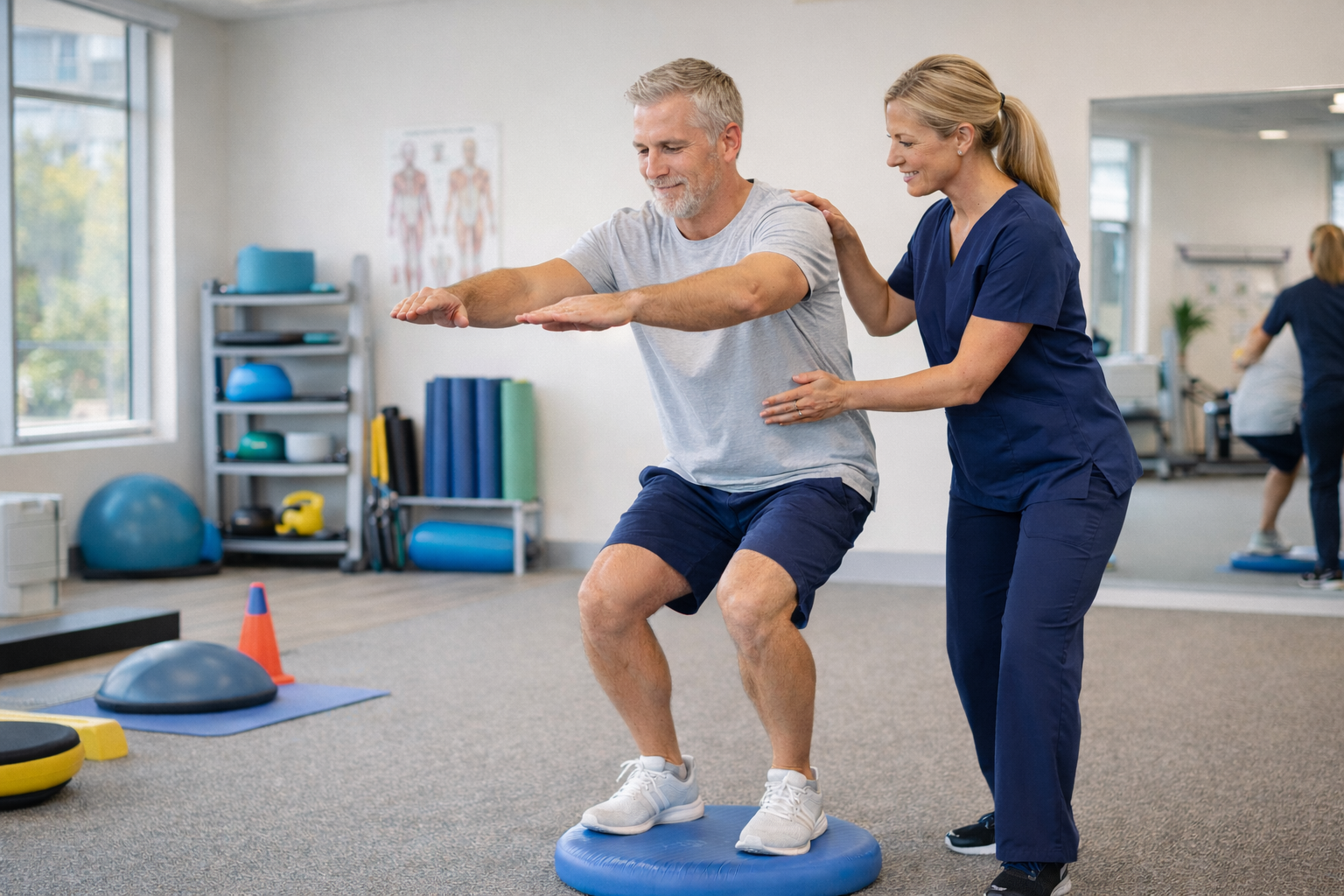
Preventing Re-Injury Through Proper Movement
Many people return to their daily activities or exercise routines too quickly, leading to setbacks or new injuries. Correct exercise programming teaches the body how to move safely and efficiently during recovery.
By practising controlled movement, individuals learn:
How to activate the right muscles
How to perform tasks with proper technique
How to avoid harmful movement patterns
How to build resilience through gradual progression
Structured rehabilitation also builds confidence, helping individuals feel capable and secure as they return to work, sport, or daily activities.
Supporting Pain Reduction
Pain is often one of the most discouraging parts of recovery. While rest is important in the early stages of healing, prolonged inactivity can worsen discomfort, reduce circulation, and increase stiffness.
Appropriate exercise supports pain reduction by:
Releasing endorphins, the body’s natural pain relievers
Improving soft tissue mobility
Strengthening the muscles that support the injured area
Reducing inflammation through gentle movement
The right exercises ease discomfort rather than exacerbate it, making them a valuable part of long-term recovery.
Personalised Programs for Safe, Effective Healing
Every injury is different, and every person heals at a different pace. A personalised program ensures that exercises match the individual’s condition, pain levels, and goals. The Allied Health Team creates tailored plans that adapt over time, ensuring a safe and steady return to activity.
Someone recovering from a shoulder strain may require mobility drills and postural strengthening, while an ankle injury might involve balance training and gradual weight-bearing movements. By targeting the specific needs of each injury, recovery becomes more efficient and effective. Programs designed by Sunshine Coast Exercise Physiologists provide the guidance needed to progress safely and confidently through each phase of recovery.
Restoring Strength and Confidence: How Does Exercise Aid Injury Recovery
Understanding how exercise aids injury recovery highlights the importance of structured movement in the healing process. Exercise improves strength, mobility, circulation, and confidence while reducing stiffness, weakness, and pain. With the right guidance, individuals can recover more quickly and safely, returning to the activities they enjoy with improved resilience. A personalised exercise program not only supports current healing but also helps prevent future injuries by promoting better movement habits and long-term strength.
