
Can Exercise Improve Heart Health?
Heart health is a critical component of overall well-being. Cardiovascular disease remains one of the leading health concerns in Australia, affecting thousands of people each year. The good news is that with the right guidance, regular exercise can play a transformative role in improving heart health, reducing the risk of chronic conditions, and enhancing quality of life. The Allied Health Team specialises in providing personalised exercise physiology services designed to strengthen your heart, improve circulation, and support long-term cardiovascular wellness.

Understanding the Role of Exercise in Heart Health
Exercise is not just about building muscles or losing weight; it has profound effects on the cardiovascular system. Engaging in regular physical activity helps the heart pump more efficiently, lowers blood pressure, improves cholesterol levels, and reduces the risk of developing heart disease. Exercise also improves vascular function, enhances blood flow, and strengthens the heart muscle, making it more resilient to stress.
Aerobic exercises such as walking, cycling, swimming, and jogging increase heart rate and oxygen consumption, which helps improve cardiovascular endurance. On the other hand, resistance training supports overall fitness and can help manage weight, which is another key factor in maintaining a healthy heart. Combined, these forms of exercise contribute to a stronger cardiovascular system and a reduced risk of heart-related complications.
How Exercise Physiology Supports Heart Health
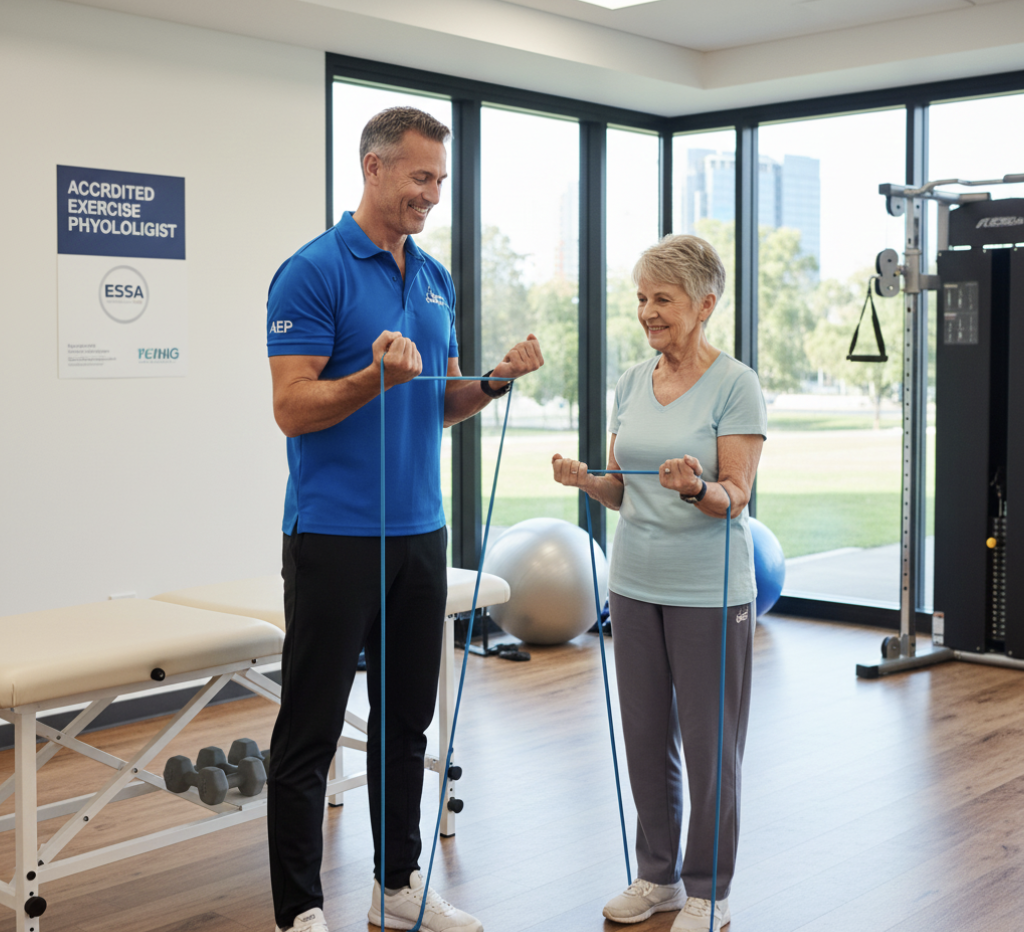
At The Allied Health Team, exercise physiology is more than just structured workouts. It is a scientifically-based approach tailored to your individual health profile, lifestyle, and fitness goals. An Accredited Exercise Physiologist (AEP) works with you to create a personalised exercise plan that targets heart health, taking into account any existing medical conditions, medications, and fitness levels.
Exercise physiology sessions focus on:
Improving cardiovascular endurance: Through carefully planned aerobic exercises, your heart and lungs become more efficient, helping you perform daily activities with ease.
Strengthening the heart muscle: Structured exercise helps the heart pump blood more effectively, improving circulation to vital organs.
Reducing risk factors: Exercise helps manage blood pressure, cholesterol, blood sugar levels, and body weight, all of which are crucial for maintaining heart health.
Enhancing recovery: For those with existing heart conditions, exercise physiology supports safe, gradual improvement in cardiovascular fitness under professional supervision.
A personalised approach is essential because each individual’s heart health needs are different. What works for one person may not be appropriate for another. Exercise physiologists at The Allied Health Team conduct comprehensive assessments before designing a program to ensure exercises are both safe and effective.
The Benefits of Exercise for Heart Health
Regular, guided exercise can deliver numerous benefits for heart health. These include:
Lower Blood Pressure
Exercise encourages the arteries to remain flexible and promotes healthy blood flow, which can help lower high blood pressure, a major risk factor for heart disease.Improved Cholesterol Levels
Aerobic exercise increases high-density lipoprotein (HDL), also known as the “good” cholesterol, while decreasing low-density lipoprotein (LDL) and triglycerides.Weight Management
Maintaining a healthy weight reduces strain on the heart, decreases the likelihood of developing diabetes, and lowers the risk of other cardiovascular complications.Enhanced Circulation
Exercise improves blood flow, delivering oxygen and nutrients more efficiently throughout the body, which supports the overall function of the heart and other organs.Reduced Stress and Anxiety
Physical activity triggers the release of endorphins, which help reduce stress hormones and promote relaxation, indirectly supporting heart health.Better Blood Sugar Control
Regular exercise enhances insulin sensitivity, which can help prevent or manage type 2 diabetes, a condition closely linked to heart disease.
Exercise Physiology Programs at The Allied Health Team
The Allied Health Team offers a variety of services specifically designed to support heart health through exercise. Their exercise physiology programs focus on creating sustainable habits and promoting overall wellness. These programs include:
Cardiovascular-focused sessions: Tailored aerobic routines to strengthen the heart and improve endurance.
Resistance training: Exercises aimed at building muscle strength, which contributes to better blood sugar management and overall heart function.
Balance and flexibility training: Activities to enhance stability, reduce fall risk, and improve mobility.
Chronic disease management: Specialised programs for individuals with hypertension, diabetes, or heart disease to safely improve cardiovascular health.
Lifestyle integration: Practical advice to incorporate physical activity into daily routines, ensuring lasting health benefits.
By working with a qualified exercise physiologist, patients receive the guidance and accountability needed to achieve meaningful results. This evidence-based approach ensures that every exercise prescription is safe, measurable, and tailored to individual goals.
Who Can Benefit from Exercise Physiology?
Exercise physiology benefits people of all ages and fitness levels. Whether you are recovering from a cardiac event, living with chronic conditions, or simply seeking to improve overall heart health, an exercise physiology program can help. Those at risk of cardiovascular disease, including people with a family history, high blood pressure, diabetes, or obesity, can particularly benefit from targeted interventions designed to strengthen heart health and prevent complications.
Older adults or those with mobility limitations can also gain significant improvements in cardiovascular endurance, strength, and overall quality of life. Exercise physiologists provide modifications to ensure exercises are safe, effective, and enjoyable for everyone, regardless of age or fitness level.
Real-World Impact of Exercise on Heart Health
Research consistently shows that regular, guided exercise reduces the risk of heart disease, lowers mortality rates, and improves long-term health outcomes. Individuals who engage in structured exercise programs under professional supervision experience better cardiovascular function, improved energy levels, and enhanced mental well-being.
At The Allied Health Team, success stories highlight how exercise physiology can transform lives. Clients report increased stamina, reduced blood pressure, and improved confidence in their physical capabilities. These results illustrate that exercise is not just preventive, it is restorative and empowering for those seeking to protect their heart health.
Take Action for Your Heart Health
If you are looking to improve heart health in a safe and structured way, working with The Allied Health Team through exercise physiology is an excellent choice. Their team of experienced Accredited Exercise Physiologists will assess your current health, design a personalised program, and guide you every step of the way. By prioritising regular physical activity tailored to your needs, you can take control of your cardiovascular health and enjoy a more active, vibrant life.
Your journey to better heart health starts with small, consistent steps. Incorporating aerobic exercise, strength training, and lifestyle adjustments under professional guidance ensures that you build a strong foundation for long-term wellness.
Investing in your heart health today means a healthier, more active tomorrow. For Australians seeking reliable support and guidance, the exercise physiology services offered at The Allied Health Team are designed to deliver measurable results, improve quality of life, and reduce the risk of heart disease.
Can Exercise Improve Heart Health
Exercise physiology is a powerful tool for improving cardiovascular function, preventing heart disease, and enhancing overall wellness. By engaging in a personalised exercise program under professional guidance, individuals can experience significant benefits for their heart, including improved endurance, lower blood pressure, better cholesterol management, and reduced stress.
The Allied Health Team provides expert services in exercise physiology tailored to each individual’s needs, ensuring safety, effectiveness, and long-term heart health improvements. If you are ready to prioritise your heart and wellbeing, professional guidance from exercise physiologists can be the difference between maintaining the status quo and achieving meaningful, life-changing results.
