
How Can Exercise Speed Up Post-Surgery Recovery?
Recovering from surgery can be challenging, and the process often requires patience, care, and the right approach to regain strength, mobility, and independence. While rest is an essential part of healing, incorporating structured exercise at the appropriate stage can significantly improve recovery outcomes. Exercise does more than just help muscles and joints; it can enhance circulation, reduce swelling, prevent complications, and improve overall wellbeing. Many people on the Sunshine Coast benefit from tailored exercise programs guided by professionals to ensure safe and effective recovery. With support from qualified practitioners such as The Allied Health Team, post-surgery rehabilitation can become more efficient and less stressful.
Why Exercise Matters After Surgery
After surgery, the body undergoes a series of changes, including inflammation, reduced mobility, and temporary loss of strength. Inactivity can lead to stiffness, muscle wasting, and delayed recovery. Gentle and controlled exercise helps reverse these effects by encouraging movement, improving blood flow, and maintaining flexibility. When done correctly, exercise can shorten recovery times and help patients regain confidence in their physical abilities. It is important to note that every surgical procedure and individual is different, so personalised guidance ensures exercises are safe and appropriate.
How Exercise Speeds Up Post-Surgery Recovery
The right exercises can target specific areas affected by surgery, restore function, and improve overall fitness. Exercise does this by activating muscles, enhancing joint mobility, stimulating circulation, and encouraging the body to adapt to post-surgical changes. Programs designed for post-surgery recovery are gradual, beginning with gentle movements and progressing to more challenging exercises as healing permits. This progressive approach reduces the risk of re-injury, promotes healing, and contributes to long-term strength and stability.
Strength and Resistance Exercises
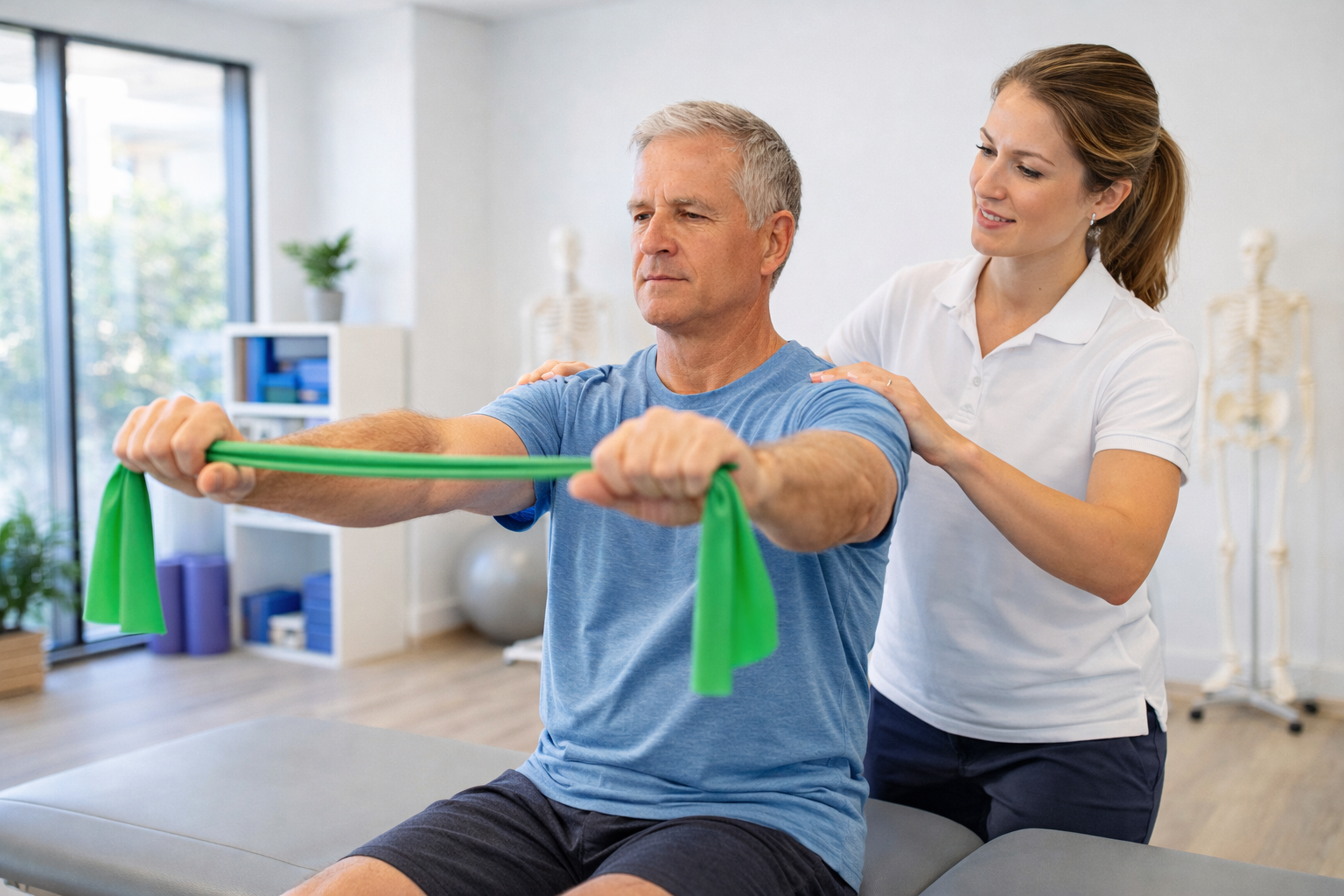
One of the most effective ways to improve recovery is through controlled strength and resistance exercises. These movements help rebuild muscle strength that may have been lost during the period of immobility. Strengthening the muscles surrounding the surgical site also provides support and reduces strain during daily activities. Common exercises may include bodyweight movements, resistance band exercises, or light weights. By improving muscle tone and functional strength, these exercises form a key part of strategies to speed up post-surgery recovery.
Range of Motion and Flexibility
Maintaining joint flexibility is critical for restoring normal movement patterns after surgery. Stretching and range-of-motion exercises help reduce stiffness, prevent contractures, and improve circulation. Gentle, guided movements encourage healing without placing undue stress on the surgical site. Exercises can include slow joint rotations, gentle stretching, and controlled mobility drills. Improving flexibility early in recovery can make subsequent strength training and functional exercises safer and more effective.
Cardiovascular Exercise
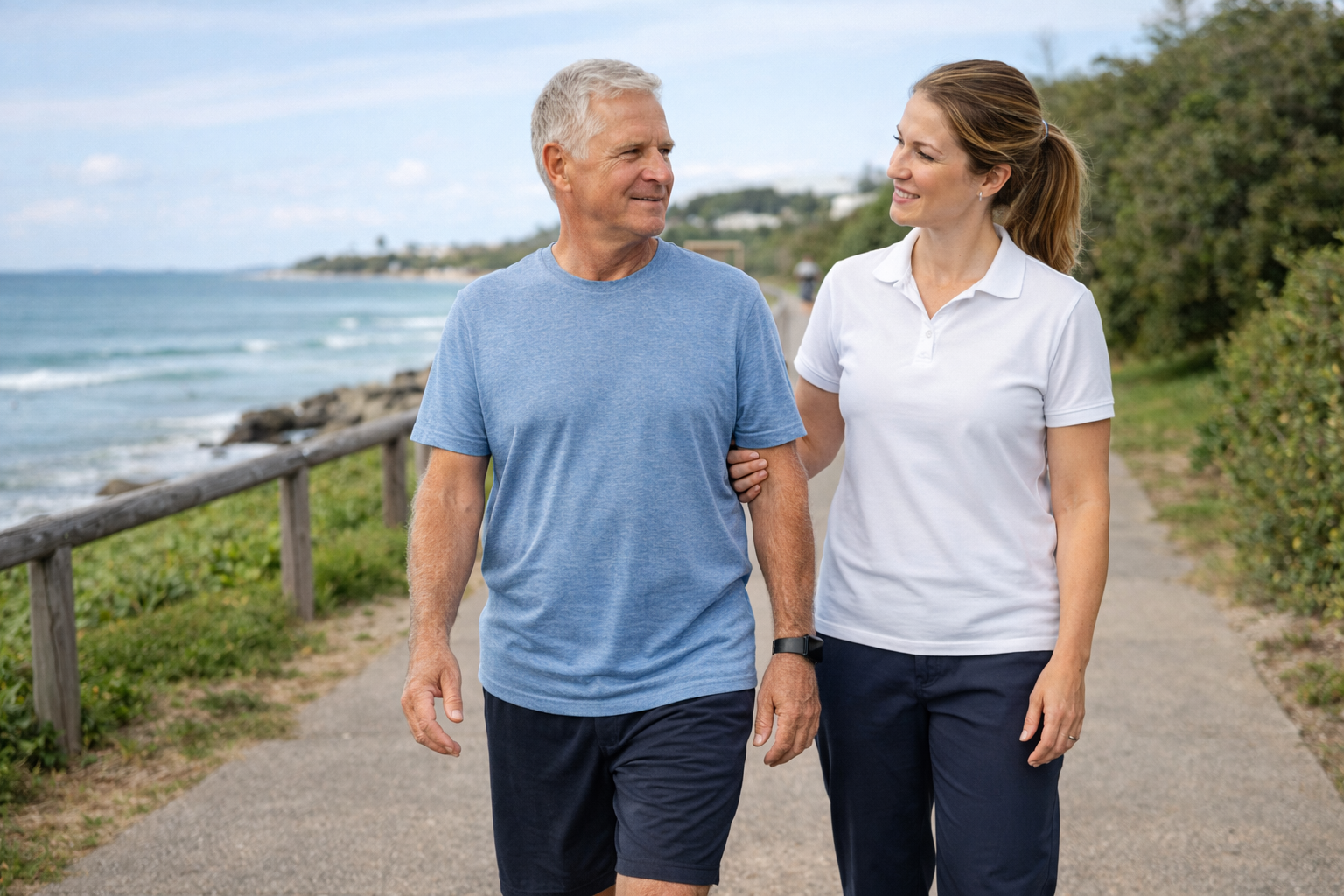
Cardiovascular activity is often overlooked in post-surgery rehabilitation, but it plays a crucial role in overall recovery. Low-impact activities such as walking, stationary cycling, or aqua therapy increase blood flow, support heart and lung health, and enhance endurance. Improved circulation also helps reduce swelling and supports tissue healing. Incorporating cardiovascular exercise into a structured program can help patients regain energy and prevent deconditioning, creating a foundation for more targeted strength and mobility exercises.
Functional and Everyday Movements
Functional exercises are designed to replicate everyday activities and promote independence. After surgery, performing simple daily tasks may feel challenging, and functional training addresses these difficulties directly. Activities may include sit-to-stand movements, reaching and bending drills, step practice, and controlled lifting exercises. By focusing on practical movements, patients can regain confidence in performing daily routines safely and efficiently. Functional exercises also complement strength and flexibility work, creating a holistic approach to rehabilitation.
The Role of Professional Guidance
While exercise is essential for post-surgery recovery, it must be tailored to individual needs. Exercising too early, too intensely, or incorrectly can compromise healing. This is why working with qualified professionals is vital. Exercise physiology programs, like those available through The Allied Health Team, offer tailored plans that take into account the type of surgery, stage of healing, physical ability, and overall health goals. Individuals on the Sunshine Coast can access expert guidance that keeps exercises safe, effective, and gradually adjusted to support optimal recovery.
Psychological Benefits of Exercise
Recovery from surgery is not only physical but also mental and emotional. Experiencing reduced mobility or dependency can affect mood and confidence. Structured exercise programs help combat anxiety, depression, and feelings of helplessness by encouraging progress and small achievements. Even gentle movements stimulate endorphin release, supporting mental wellbeing. Incorporating psychological support with physical rehabilitation further improves the recovery experience.
Tailoring Exercises to Specific Surgeries
Different surgeries require different approaches to exercise. For example, joint replacements may require careful range-of-motion work before strength training can be introduced, while abdominal surgery may need gradual core strengthening to support movement safely. Cardiac or pulmonary procedures may focus on controlled cardiovascular activity and breathing exercises. By tailoring exercises to the specific surgical context, patients are more likely to regain function efficiently and safely. Learning the right sequence and intensity ensures that exercise genuinely speeds up post-surgery recovery rather than creating complications.
How to Start a Post-Surgery Exercise Program
Starting a rehabilitation program should always begin with a professional assessment. Practitioners evaluate the surgical site, pain levels, mobility, and overall health to create a safe plan. Initial exercises often involve gentle movements, stretching, and light walking. As healing progresses, strength, functional, and aerobic exercises are gradually added. Patients are encouraged to monitor their body’s responses and adjust intensity as recommended. Using resources like personalised exercise plans from The Allied Health Team ensures patients stay on track and avoid setbacks. For those interested, the website offers an anchor text link to learn more about tailored exercise physiology programs for recovery.
Tips for Safe Recovery
Pay attention to your body and don’t force movements that cause discomfort.
Start with gentle movements and gradually increase intensity.
Follow professional guidance regarding exercise type, frequency, and duration.
Combine exercise with proper nutrition, hydration, and rest.
Track progress to stay motivated and celebrate small improvements.
Supporting Long-Term Health After Surgery
In addition to speeding up recovery, regular exercise after surgery can support long-term health. Maintaining strength, balance, and flexibility reduces the risk of future injuries or complications. Cardiovascular fitness supports heart and lung function, while functional exercises ensure independence in daily life. Patients who continue safe exercise routines after rehabilitation often experience improved quality of life, better mobility, and sustained confidence in their physical abilities.
Moving Forward with Confidence
Exercise plays a pivotal role in recovery, and when done correctly, it can significantly shorten healing time, improve physical function, and support mental wellbeing. The best approach combines gentle strength work, functional movements, flexibility exercises, and cardiovascular activity, tailored to the individual’s needs. With the right guidance, exercise can accelerate recovery, making patients feel more capable and independent sooner.
For anyone recovering from surgery on the Sunshine Coast, professional support is available to create personalised plans that align with health goals and abilities. Programs designed to speed up post-surgery recovery ensure a safer, more efficient path back to daily life, allowing individuals to regain strength, mobility, and confidence with the reassurance of expert guidance.
