
What Are the Best Exercises for Active Ageing?
Active ageing is not just a goal; it is a long-term investment in mobility, strength, balance, and overall independence. As people get older, the right physical activities can help maintain daily function, reduce the risk of falls, and support general wellbeing. Many older adults on the Sunshine Coast want to stay active, but choosing suitable exercises can feel overwhelming. Understanding the best exercises for active ageing allows individuals to build confidence and keep moving safely and sustainably. With guidance from qualified practitioners, such as those at The Allied Health Team, older adults can take part in routines that match their abilities and support their health goals.
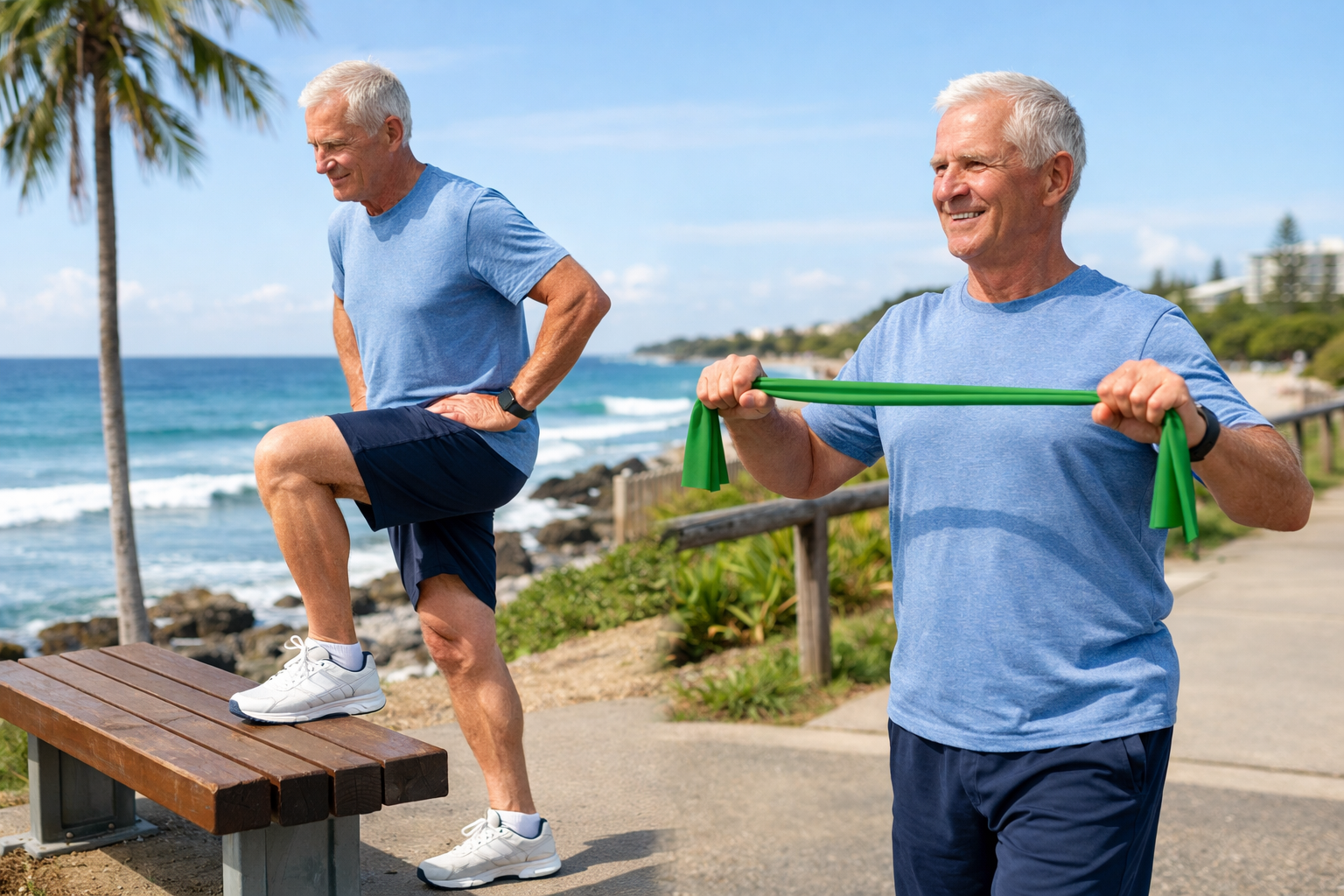
Why the Best Exercises for Active Ageing Matter
Ageing affects muscles, joints, balance, and heart health. Engaging in structured, well-designed exercises slows down physical decline and helps older adults retain independence. The best exercises for active ageing are not extreme workouts. Instead, they focus on functional improvements, gentle strength building, coordinated movement, and maintaining stamina. When combined, these exercise types create a balanced program that supports the body in dealing with everyday tasks such as standing, bending, walking, and lifting.
Strength Training for Ageing Well
Strength training is one of the essential components of an active ageing routine. Over time, muscle mass naturally decreases, which affects overall movement and stability. Incorporating strength exercises into a weekly routine supports daily movement, boosts confidence, and lowers the chance of injury. Strength training can be tailored to suit any fitness level, making it suitable for older adults.
Popular strength exercises include squats, lunges, step-ups, wall push-ups, seated leg lifts, and light dumbbell routines. Resistance bands are also effective and gentle on the joints. These movements help improve bone density, reinforce major muscle groups, and support better posture. With the right structure, strength work becomes a powerful part of the best exercises for active ageing.
Improving Stability Through Balance Training
Balance often declines with age due to changes in muscle strength, coordination, and sensory function. Falls are one of the most common risks for older Australians, but balance training significantly reduces this concern. Gentle daily exercises help strengthen stabilising muscles and improve awareness of body position.
Balance routines may include heel-to-toe walking, side-to-side stepping, single-leg stands, slow marching on the spot, and guided Tai Chi movements. These activities are easy to include in a home routine and require minimal equipment. When balance improves, navigation around the home, outdoors, and community spaces becomes safer and more comfortable.
Cardiovascular Exercise for Heart and Lung Health
Cardiovascular fitness is crucial for maintaining stamina and supporting heart health. As people age, regular aerobic activity helps regulate blood pressure, manage weight, and improve energy levels. The Sunshine Coast provides beautiful locations for low-impact aerobic activity, making it enjoyable and accessible for older adults.
Walking is one of the simplest and most effective aerobic exercises. It can be adapted for any pace, distance, or environment. Other suitable activities are stationary cycling, water walking, swimming, and gentle aerobic sessions. These exercises promote steady breathing, better circulation, and enhanced stamina. Practising cardio several times a week helps create a solid base for the best exercises for active ageing.
Flexibility and Mobility for Staying Comfortable and Functional
Flexibility and joint mobility naturally decline with age, making stretching and movement flow exercises crucial. Without regular stretching, muscles shorten and tighten, increasing discomfort and reducing range of motion. Mobility work ensures that joints continue to move freely, supporting simple daily activities such as reaching overhead, bending, or turning.
Routine flexibility exercises may include gentle neck rotations, shoulder rolls, hip openers, calf stretches, hamstring stretches, and guided mobility flows. Yoga and Pilates are also excellent for improving flexibility while supporting controlled breathing and relaxation. Maintaining mobility is an essential part of the best exercises for active ageing, helping older adults move without stiffness or pain.
Functional Fitness for Everyday Independence
Functional fitness targets movements that replicate daily tasks. These exercises support real-world tasks such as carrying bags, getting up from a chair, bending to pick something up, or reaching for items around the house. Improving functional capability is one of the most effective ways to maintain independence through ageing.
Common functional exercises include sit-to-stand drills, step training, reaching and rotation exercises, gentle lifting practice, and coordinated arm-leg movements. Functional fitness routines help strengthen the muscles used most frequently in daily life. Over time, this reduces the strain placed on the body and boosts confidence.
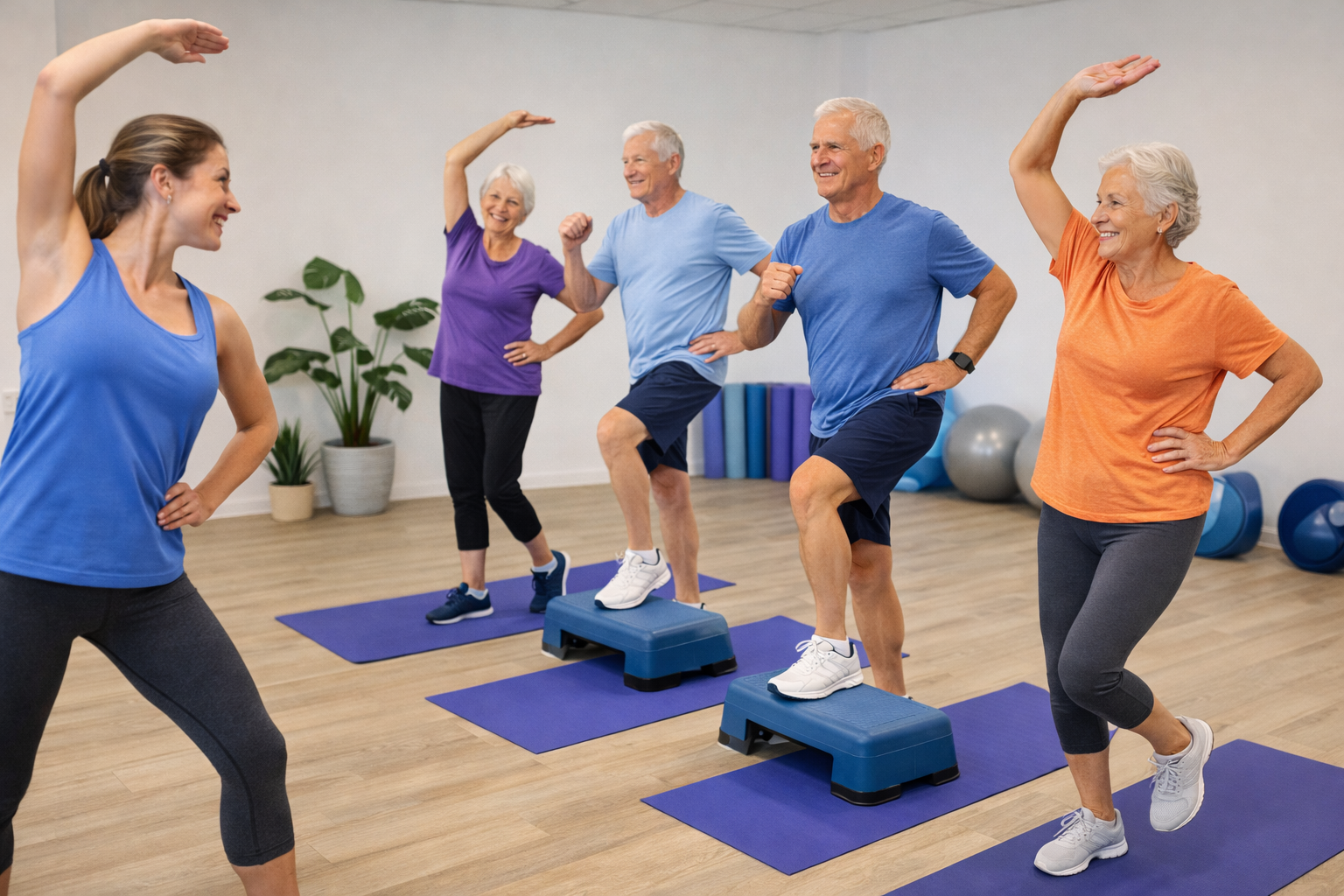
Social and Low-Impact Group Classes for Motivation
Staying active is easier when exercise feels enjoyable and social. Many older adults benefit from low-impact group classes, which provide structure, routine, and community support. These classes reduce feelings of isolation and help participants stay consistent with their programs.
Options include fitness classes for seniors, aqua aerobics, mobility-focused sessions, Pilates, and light circuit workouts. Working with others creates a motivating environment, encourages accountability, and often leads to improved participation. Group classes also allow people to learn movements safely under professional supervision.
The Importance of Personalised Support
While the best exercises for active ageing are generally safe and beneficial, people age differently. Health conditions, past injuries, mobility limitations, and lifestyle factors all influence what type of movement is appropriate. Personalised programs ensure that older adults exercise safely without causing strain or injury.
This is where the specialised guidance of exercise practitioners becomes extremely valuable. Through structured and personalised programs offered by Exercise Physiology in the Sunshine Coast, such as those provided by The Allied Health Team, older adults receive support tailored to their mobility, health needs, and long-term goals. This type of guidance makes it easier to stay active consistently and build confidence in movement.
A Better Path Forward for Active Ageing
Maintaining strength, balance, flexibility, and cardiovascular health becomes more important with each passing year. The best exercises for active ageing focus on functional improvements, gentle but effective strength building, enhanced mobility, and steady endurance. These activities support independence, reduce the risk of falls, and improve quality of life.
Older adults on the Sunshine Coast have access to beautiful outdoor locations, community programs, and professional support services that make active ageing both achievable and enjoyable. With the right structure and guidance, anyone can take meaningful steps toward a healthier and more active future.
