
How Do NDIS Programs Boost Strength and Independence?
The National Disability Insurance Scheme (NDIS) plays a vital role in helping individuals build strength, independence, and confidence in their daily lives. Through personalised support plans and structured therapy services, participants can access the right tools to improve function, mobility, and self-management skills. At The Allied Health Team, we take a holistic approach to NDIS programs, ensuring every person receives support tailored to their specific needs and long-term health goals.
NDIS support is not just about clinical treatment. It is about empowering individuals to take control of their health, achieve their personal goals, and improve their ability to participate in everyday activities. With a growing need for community-based services, programs focused on functional strength, rehabilitation, and life-skills training have become essential across Australia.
Understanding the Purpose of NDIS Programs
The main purpose of the NDIS is to support people living with disabilities so that they can live more independently. This includes funding for therapies, assistive technology, mobility aids, home modifications, and skill-building programs. Each participant receives a personalised plan based on their goals, lifestyle, and functional needs.
The NDIS is designed to improve overall quality of life by ensuring individuals have access to:
• Physical therapy and exercise physiology
• Occupational therapy and daily living support
• Speech and communication therapies
• Community participation initiatives
• Mobility and independence training
The objective is clear: create an environment where individuals feel supported, encouraged, and capable of achieving their highest level of independence.
Building Physical Strength Through NDIS
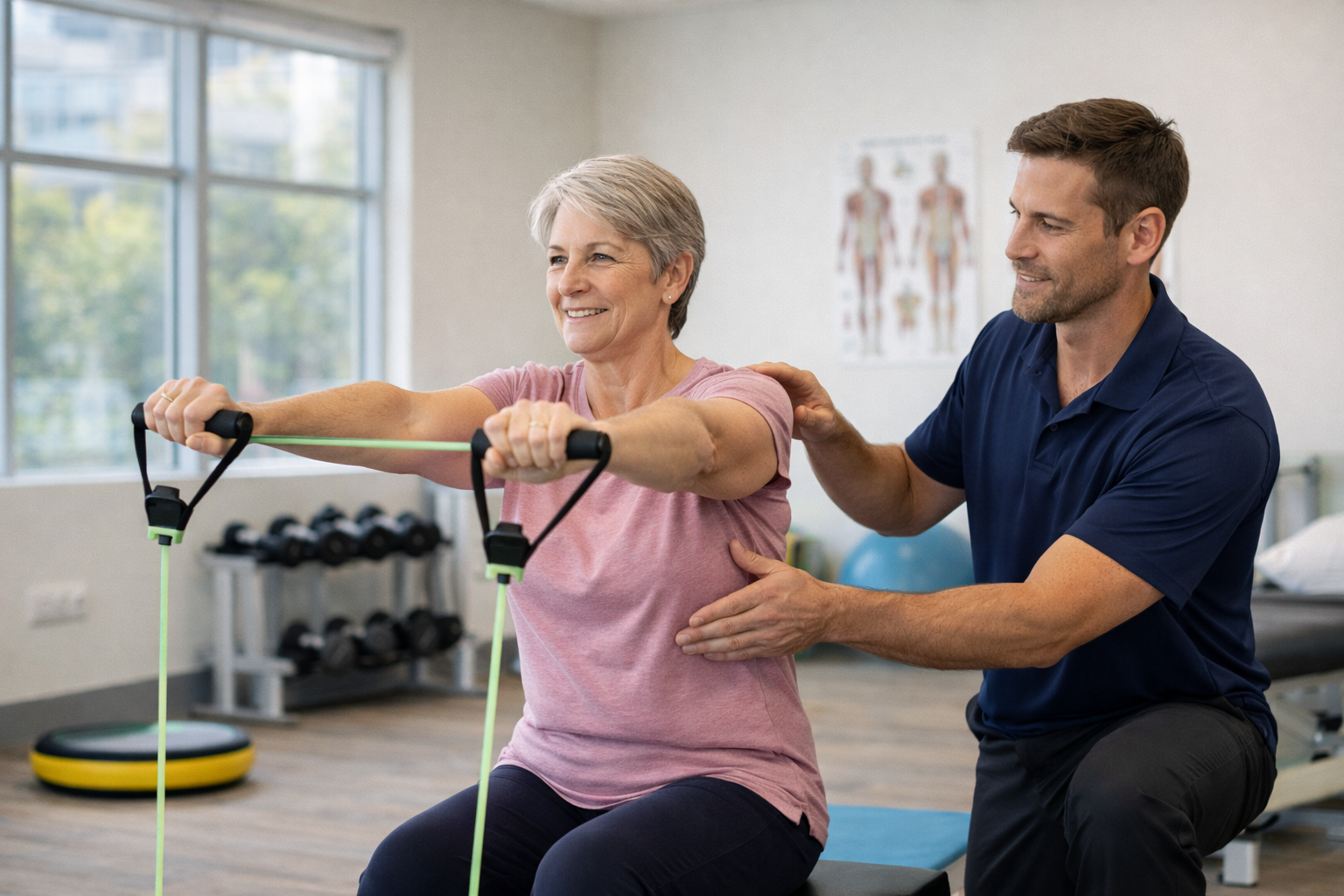
Physical strength plays a major role in daily functioning. When an individual has limited strength, it becomes more difficult to complete basic tasks such as standing, walking, lifting, or maintaining balance. NDIS programs often include exercise physiology, physiotherapy, and functional training to enhance muscle development and physical capacity.
Exercise physiologists work closely with participants to address physical limitations, improve movement, and build confidence in their abilities. Structured programs may include activities such as:
• Strength and resistance training
• Balance and coordination exercises
• Joint mobility and flexibility routines
• Functional movement training
• Low-impact cardio programs
These evidence-based interventions promote long-term improvements in strength and health. For individuals living with chronic conditions or disabilities, regular structured exercise plays a vital role in enhancing quality of life.
Enhancing Independence Through Skill-Building
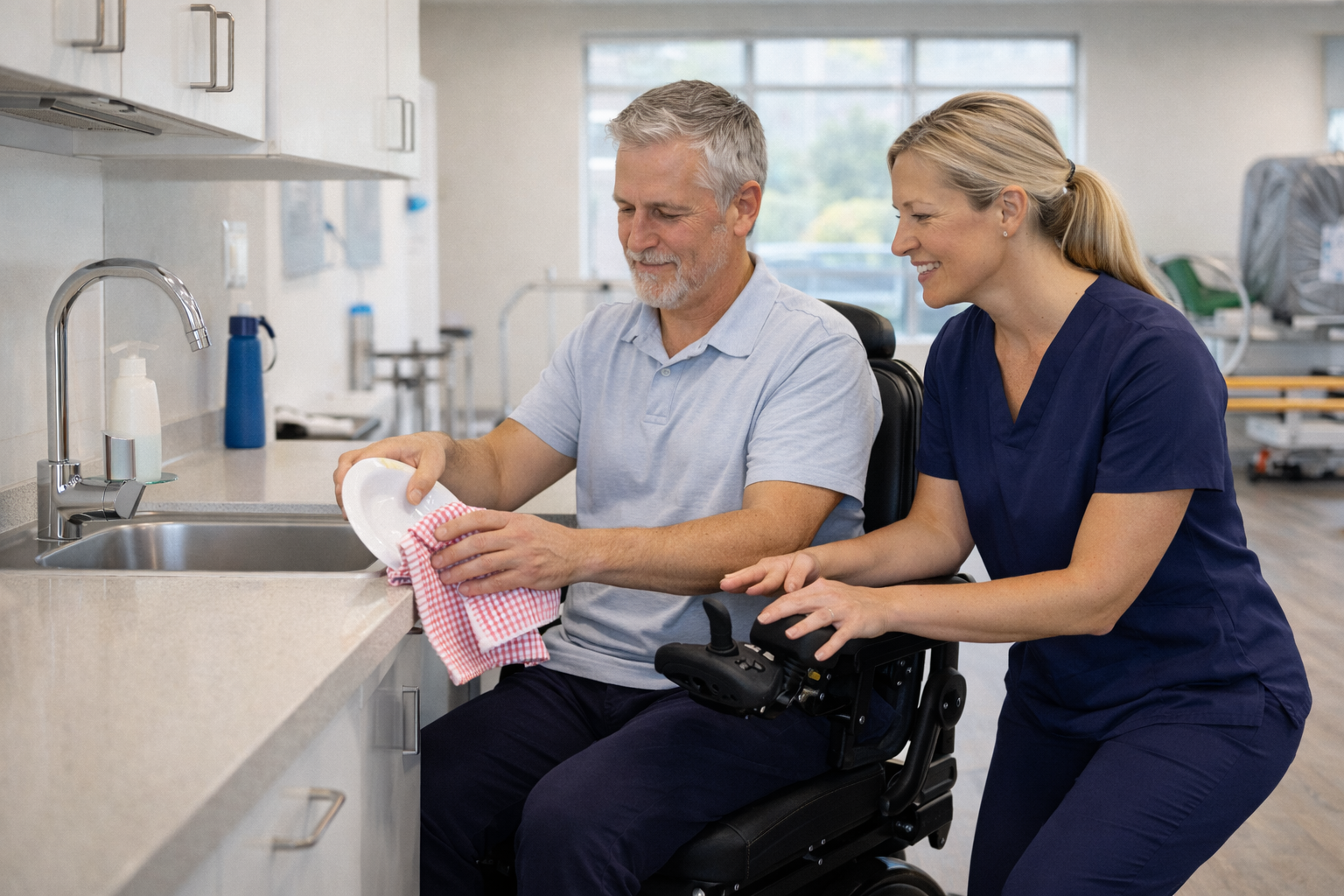
Independence is a core foundation of the NDIS. Programs are designed to help participants develop daily living skills that ensure they can perform essential tasks with less reliance on others. Occupational therapists play an important role in developing independence-focused strategies tailored to the individual’s specific environment and challenges.
Skill-building may include:
• Learning safe meal preparation techniques
• Managing personal hygiene routines
• Building organisational and planning skills
• Improving fine motor skills for everyday tasks
• Enhancing problem-solving abilities
• Developing routines for self-care and home tasks
These activities are not only practical but also empowering. With consistent practice, participants develop confidence in their ability to manage daily responsibilities, thereby reducing the need for long-term support.
Improving Mobility and Functional Capacity
Mobility is central to independence. NDIS programs help participants improve their ability to move safely and effectively, whether indoors, outdoors, or within the community. Physiotherapists and exercise physiologists collaborate to deliver mobility-enhancing interventions tailored to the participant’s goals.
Mobility programs may include:
• Gait retraining
• Posture improvement
• Assistive technology training
• Safe transfer techniques
• Strategies to prevent falls
Participants who learn to move with greater confidence often enjoy improved participation in community activities, employment, and social engagements. Increased mobility contributes directly to enhanced independence and wellbeing.
The Role of Assistive Technology in Strength and Independence
Assistive technology, funded through the NDIS, plays a major role in boosting both strength and independence. Devices such as mobility aids, wheelchairs, communication tools, adaptive kitchen equipment, and home modifications help individuals perform tasks more easily and safely.
Using assistive technology enables individuals to:
• Improve independence with daily activities
• Increase physical capability with supportive devices
• Enhance communication and learning
• Reduce the risk of injury
• Access more community and social activities
NDIS programs ensure individuals receive the appropriate device, training, and guidance needed to use assistive technology effectively in their everyday life.
Mental and Emotional Benefits of NDIS Programs
While physical strength and mobility are essential, mental and emotional wellbeing also play a significant role in independence. Many participants experience improved confidence as they gain new skills and experience measurable progress.
NDIS programs may include support aimed at improving:
• Emotional regulation
• Social skills
• Stress management
• Self-esteem and resilience
• Participation in meaningful activities
With the right support, individuals can develop a strong sense of autonomy. This emotional empowerment often leads to better engagement in therapy and an increased willingness to participate in daily tasks.
Community Participation and Social Independence
Community involvement is another key part of the NDIS. Programs encourage participation in social events, educational opportunities, workplace activities, and recreational programs. This helps individuals build social skills, create friendships, and feel more connected to their community.
Participants benefit from learning how to navigate public spaces, communicate effectively with others, and develop confidence in social settings. These experiences directly contribute to greater independence and an improved sense of belonging.
How The Allied Health Team Supports NDIS Participants
At The Allied Health Team, we work closely with individuals, families, and support coordinators to deliver programs that truly make a difference. Our services are tailored to each participant’s goals, focusing on functional strength, independence, community engagement, and long-term wellbeing.
By combining expertise from multiple allied health disciplines, we provide comprehensive support that helps participants progress at a pace that suits their abilities and personal growth.
Moving Forward with Stronger Skills and Greater Independence Through How Do NDIS Programs Boost Strength and Independence?
Building strength and independence is a journey, and NDIS programs are designed to support individuals at every step. With access to tailored therapy, community engagement opportunities, assistive technology, and personalised skill-building plans, participants can develop greater confidence in their everyday abilities.
When individuals feel supported and empowered, they are more likely to engage in their goals and experience meaningful improvements in their quality of life. With the right guidance and consistent support, NDIS participants can achieve long-lasting progress that enhances their independence, physical capability, and overall wellbeing.
